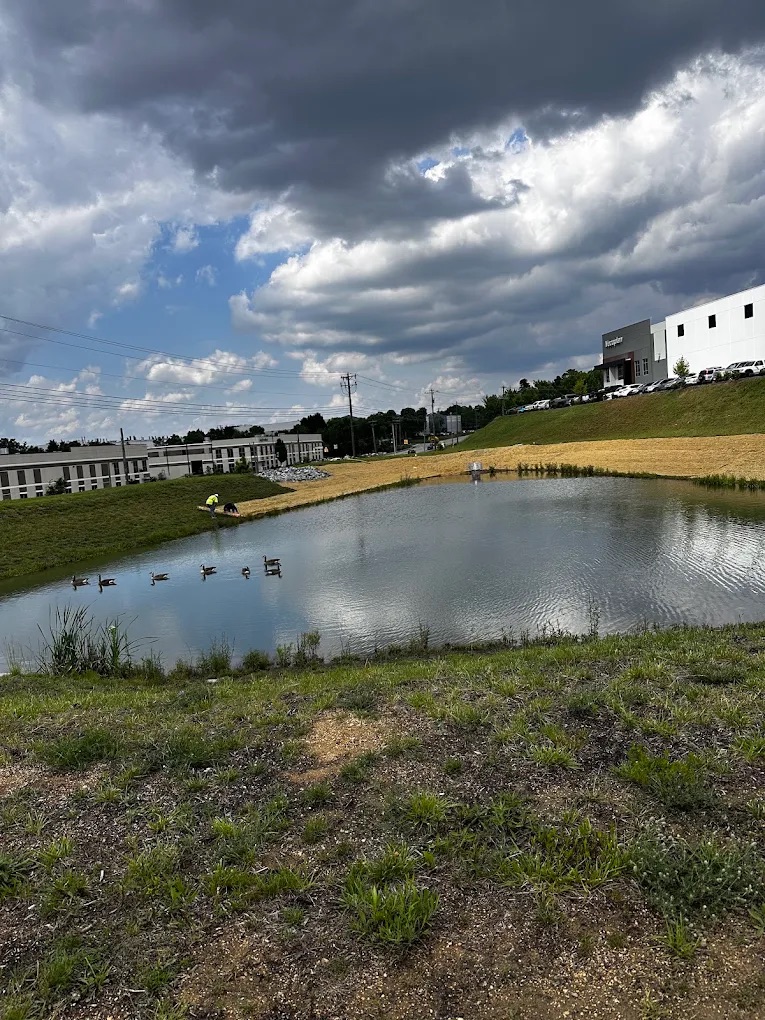
If your commercial property has a retention pond, it's doing more work than most tenants and visitors ever notice. These ponds manage stormwater runoff, prevent flooding, filter pollutants before they reach local waterways, and — in many North Carolina municipalities — are required by law to meet specific maintenance standards. Neglecting one doesn't just look bad. It can lead to erosion, flooding liability, code violations, and costly emergency repairs. Here's what commercial property managers and business owners across the Piedmont Triad should know about keeping a retention pond in good working order.
Why Retention Pond Maintenance Matters
A retention pond is a stormwater management system, not just a landscaping feature. When it's functioning properly, it slows and filters runoff before it reaches storm drains or nearby streams, reduces the risk of flooding on the property and surrounding areas, protects water quality by trapping sediment, debris, and pollutants, and supports compliance with local and state stormwater regulations. When maintenance is skipped, sediment builds up, vegetation gets overgrown or dies off, and the pond gradually loses its capacity to do its job. That's when property owners start seeing standing water where it shouldn't be, erosion along the banks, or a visit from a code enforcement officer.
Signs Your Retention Pond Needs Attention
Most commercial properties don't think about their retention pond until there's a problem. Watch for these warning signs: standing water that doesn't drain within 24-72 hours after rainfall, visible sediment buildup reducing the pond's depth or capacity, erosion or bare soil along the banks or inlet/outlet structures, overgrown or invasive vegetation clogging the pond or its drainage structures, foul odor or discoloration indicating stagnant water or pollution buildup, and clogged inlet or outlet pipes that prevent proper flow and increase flood risk. If you're noticing any of these, it's worth scheduling an inspection before the next major storm.
What Regular Maintenance Involves
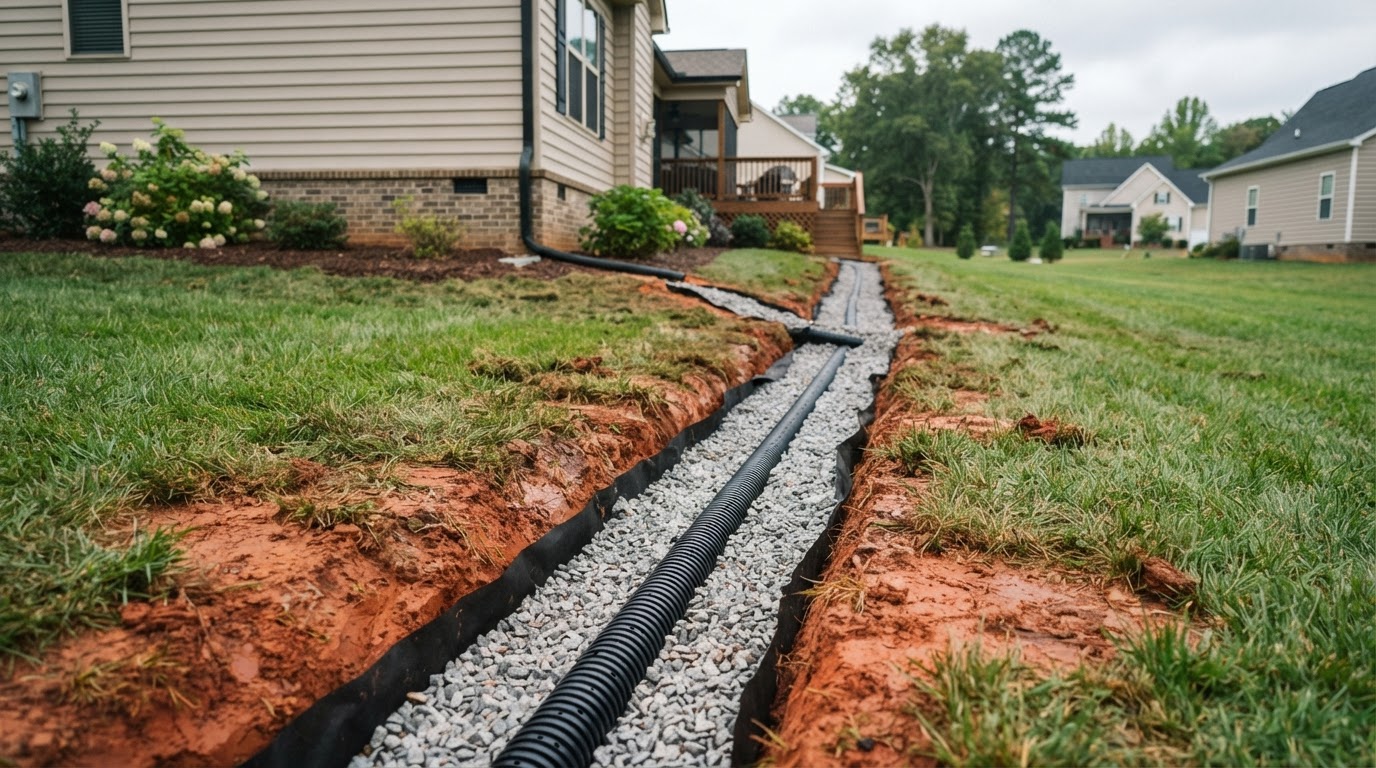
A well-maintained retention pond needs more than an occasional mow around the edges. Typical maintenance tasks include routine inspections of inlet/outlet structures, banks, and water levels (especially after heavy rain); sediment removal via dredging or excavating built-up material to maintain designed depth and capacity; erosion control by stabilizing banks with grading, riprap, or vegetation; vegetation management including mowing, trimming, and controlling invasive plants around the perimeter and buffer zone; debris and trash removal to clear litter, leaves, and organic debris that can clog outlets; and structural repairs to address damaged pipes, control structures, or spillways before they fail. Most commercial properties benefit from a combination of scheduled seasonal maintenance and inspections after significant rain events.
How Often Should a Retention Pond Be Maintained?
This depends on the pond's size, design, and how much runoff it handles, but a general guideline for commercial properties is quarterly inspections at minimum to catch issues early, an annual sediment and debris assessment with removal as needed, vegetation maintenance on a regular mowing/trimming schedule during the growing season, and post-storm checks after any significant rainfall event. Many municipalities in the Triad region also require documented inspections as part of a property's stormwater permit, so keeping a maintenance log isn't just good practice — it may be a compliance requirement.
Staying Ahead of Compliance Issues
Retention ponds on commercial properties are often tied to a stormwater management permit issued when the property was developed. That means there may be specific, legally required maintenance standards tied to your property — not just general best practices. Falling out of compliance can result in fines or required corrective work on a tight deadline, which is almost always more expensive than staying ahead of it with routine maintenance. If you're not sure what your property's specific requirements are, that's worth confirming with your local stormwater or engineering department, or with a maintenance provider who's familiar with the regulations in your area.
Why Property Managers in the Triad Trust Triad Land WorX
Retention pond maintenance isn't something every landscaping company handles — it takes a different set of skills and equipment than mowing lawns. At Triad Land WorX, we work with commercial property managers and HOAs across Winston-Salem, Greensboro, High Point, and the greater Piedmont Triad to keep retention ponds functioning the way they're supposed to: inspections, sediment removal, erosion control, and ongoing maintenance, all handled by a team that understands both the landscaping and the compliance side of the job. If it's been a while since your retention pond was inspected, or you're not sure it's meeting its maintenance requirements, reach out to Triad Land WorX for a property assessment.