Land clearing is a big job, and the contractor you pick decides whether you end up with a clean, usable property or a mess you pay twice to fix. Two quotes for the same acreage can look nothing alike, so it helps to know what to ask before you sign anything. Use these 10 questions to compare contractors fairly and spot problems early.
Hiring a Land Clearing Contractor: What to Know First
Land clearing is a big job, and the contractor you pick decides whether you end up with a clean, usable property or a mess you pay twice to fix. Two quotes for the same acreage can look nothing alike, so it helps to know what to ask before you sign anything. Use these 10 questions to compare contractors fairly and spot problems early.
1. Are You Licensed and Insured?
Ask for proof of general liability insurance, and ask whether workers are covered by workers' compensation. Heavy equipment and falling trees are not a place to take someone's word for it. A reputable contractor will send a certificate of insurance without any fuss. If you are hiring for a commercial property, your property manager or insurer may require one on file anyway.
2. Have You Done Jobs Like Mine?
Clearing a quarter-acre of brush behind a house is a different job than opening up ten acres of mature timber. Ask about projects close to your size and terrain, and ask for photos or references. Online reviews are a good start, but a phone call with a past customer tells you more.
3. What Exactly Is Included in the Price?
A written estimate should spell out what gets cut, what gets removed, and what stays. Ask specifically about: Stumps — ground down, left in place, or pulled out. Debris — hauled away, chipped on site, or piled for you to deal with. Grading or smoothing the ground afterward. Equipment delivery and pickup fees. Vague quotes are where surprise charges come from. If it isn't in writing, assume it isn't included.
4. What Method Will You Use?
Land can be cleared with a bulldozer or excavator, with a brush cutter, or with a forestry mulcher that grinds vegetation into mulch on site. Each approach leaves different results on the soil, the roots and the cleanup. A good contractor will explain why a method fits your property and your goal, not just use whatever machine they own.
5. How Will You Handle Trees I Want to Keep?
Tell the contractor up front which trees, fences, wells, septic areas and utility lines need to be protected. Walk the property together and mark them. Ask how the crew avoids damaging protected trees and what happens if something is damaged by mistake.
6. Who Handles Permits and Property Lines?
Rules vary by county and by the size and location of the project, and some areas have requirements around erosion control, streams, wetlands or protected buffers. Ask who is responsible for checking local requirements, and make sure your property boundaries are clearly marked before work begins. If you are unsure, your county planning or permitting office can point you to the right place.
7. What Happens If It Rains?
Wet clay soil and heavy equipment do not mix. A good contractor will tell you how weather delays are handled, whether they reschedule or push ahead, and how they protect the ground from rutting. Ask how that affects your timeline and your price.
8. How Long Will the Job Take?
Get an estimated start date and a rough duration in writing. Ask what could change the timeline, such as access problems, buried debris or weather. A contractor who gives you a realistic range is usually more trustworthy than one who promises the impossible.
9. What Does Cleanup Look Like When You're Done?
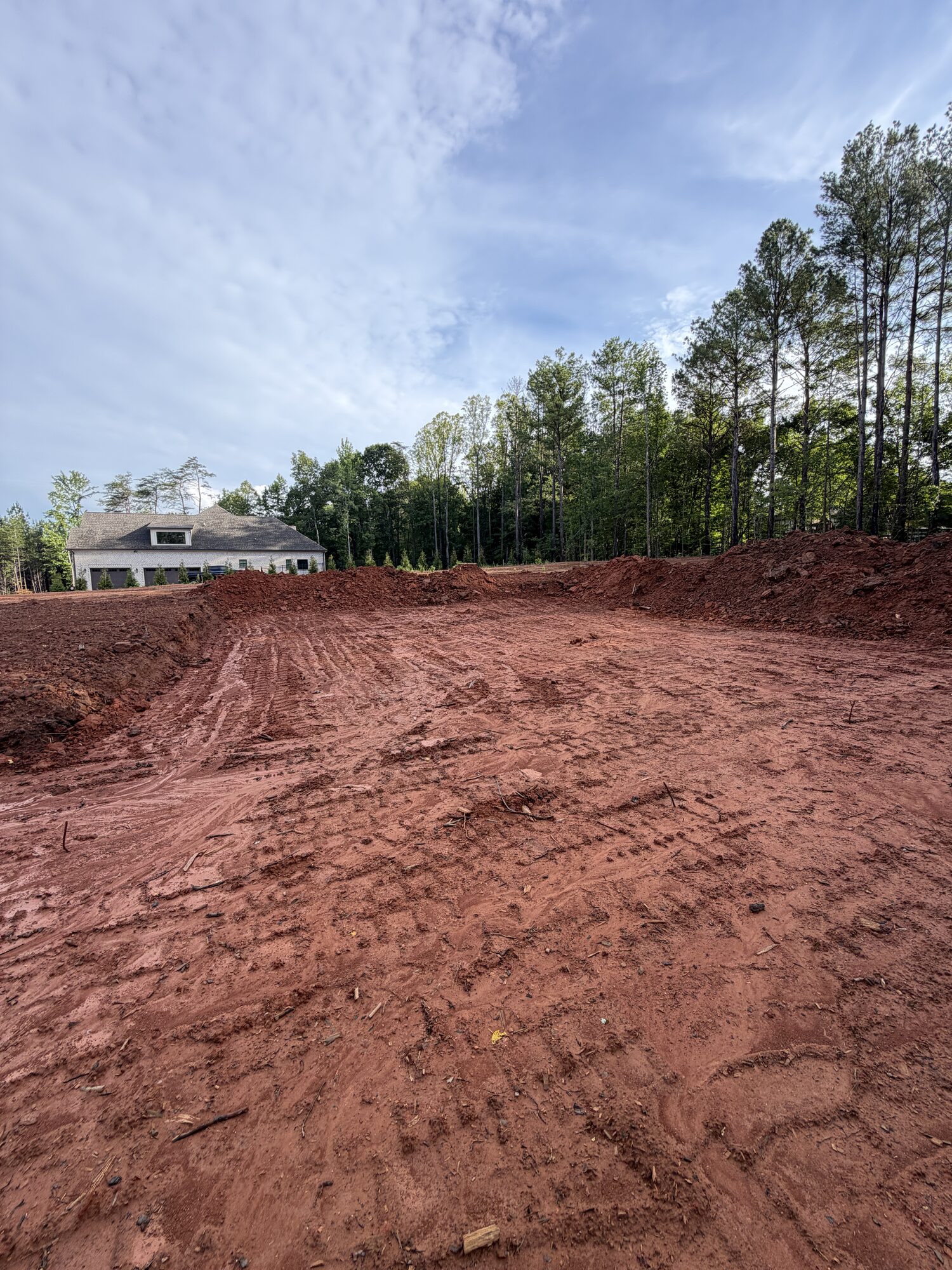
Ask what the site will look like when the crew leaves. Will you have a bare surface, a layer of mulch, or piles of debris? Do a walk-through before final payment so you can point out anything that needs to be fixed.
10. How Do You Handle Payment?
Be cautious of anyone who wants the full amount upfront. Common arrangements are a deposit to schedule the job with the balance due after completion, or payment in stages for larger projects. Get the terms in writing and keep copies of every estimate, invoice and receipt.
Red Flags to Watch For
No written estimate, or one that is vague about what is included. Cannot or will not show proof of insurance. Pressure to decide on the spot or pay everything in cash upfront. A price far below every other quote, with no explanation. No references, no reviews and no photos of past work.
Bottom Line
The cheapest quote is not always the best deal, and the most expensive is not always the safest. Compare contractors on insurance, scope, method, cleanup and communication, not on price alone. A short conversation and a written estimate will tell you most of what you need to know. For more on what drives cost, see our guide on land clearing costs in the Piedmont Triad.
Frequently Asked Questions
How do I compare land clearing quotes? Compare them line by line — check that each quote covers the same acreage, the same stump and debris handling, and the same cleanup. A lower price often means something has been left out. Should I get more than one estimate? Yes — getting two or three written estimates helps you understand the normal price range and the different approaches contractors recommend. Do I need to be home during a land clearing job? Not usually, but it helps to meet the contractor on site before work starts and to do a final walk-through when the job is finished. What should be in a land clearing contract or estimate? The scope of work, the acreage, how stumps and debris will be handled, the price and payment terms, the expected timeline, and proof of insurance. How far in advance should I book a contractor? As early as you can — good contractors stay busy, so contacting them a few weeks ahead gives you better choices.
Get a Free Estimate
Ready to talk through your property? Triad Land WorX is family-owned and serves the greater Piedmont Triad. Call (336) 510-8900 or email Jared@TriadLandWorX.com for a free estimate. Veterans and active-duty military receive 5% off any quoted service. You can also learn more about forestry mulching costs and brush hogging vs. mulching before you decide.